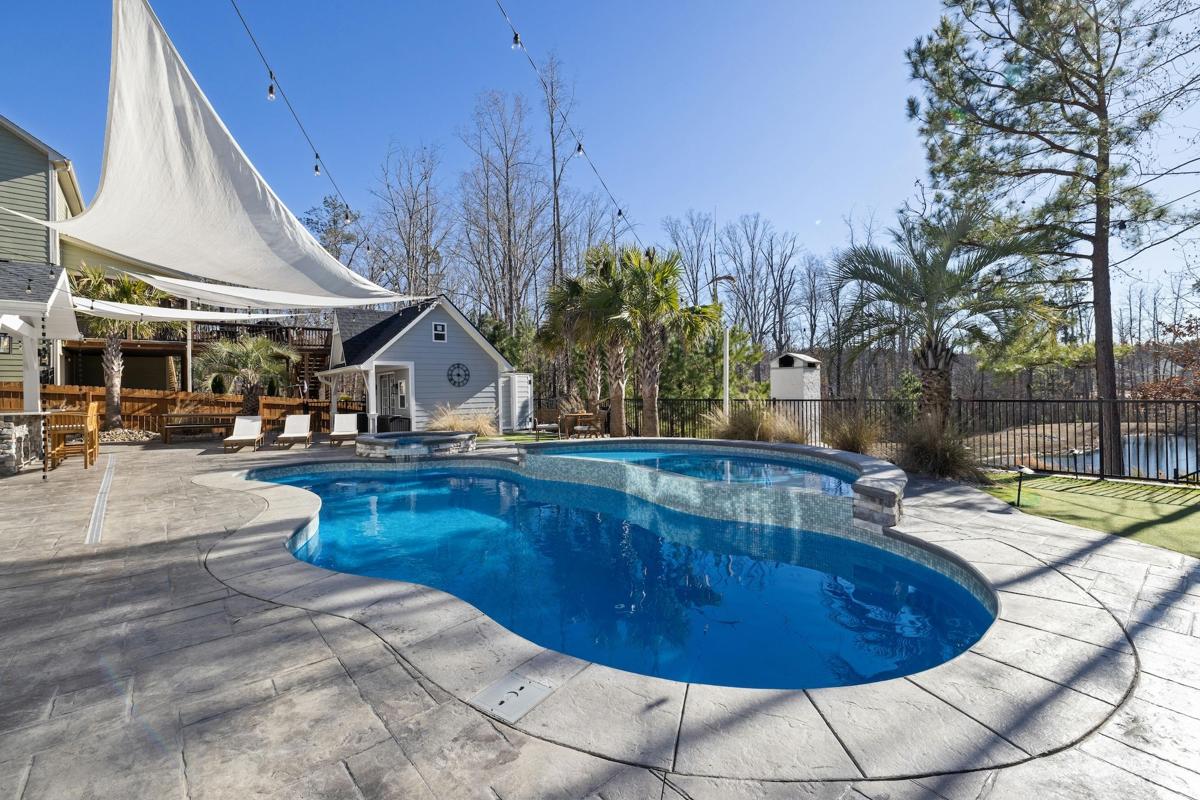

Something shifted in Australian homes over the last few years. Backyards stopped being an afterthought. They became the main attraction.
People still love travelling, obviously. A long weekend in Byron Bay or a lazy resort stay on the Sunshine Coast still hits differently. But plenty of homeowners started asking a simple question. Why wait for holidays to feel relaxed?
That mindset changed outdoor design completely.
Instead of basic patios and a lonely barbecue shoved into the corner, outdoor spaces now look curated. Softer lighting. Bigger entertaining zones. Natural textures. Outdoor showers. Daybeds that practically beg for an afternoon nap. The whole setup leans heavily into resort energy. And honestly, it works.
The last time a designer visited a boutique stay near Port Douglas, the thing that stood out wasn’t the fancy cocktails or overpriced breakfast. It was the atmosphere. Open spaces. Breezy layouts. Calm surroundings. That feeling followed them home and ended up influencing half their renovation projects that year.
Outdoor Spaces Have Become Everyday Escapes
Australians are spending more time at home than they used to. Hybrid work changed routines. People want homes that actually feel enjoyable instead of purely functional. Makes sense.
A well-designed outdoor area gives homeowners somewhere to mentally switch off without packing a suitcase or fighting airport queues. Even small spaces can pull it off. A courtyard with layered greenery and warm lighting can feel surprisingly luxurious. Funny how a few design tweaks can trick the brain into thinking it's on holiday.
There’s also less interest in formal entertaining now. Nobody cares about perfectly ironed outdoor cushions anymore. Comfort wins every time. Big lounges. Timber finishes. Ceiling fans spinning slowly overhead while someone burns sausages slightly too hard on the barbecue. That’s the good stuff.
And here's the thing. Holiday-inspired design doesn’t always mean expensive. Some of the best outdoor areas look effortless rather than polished within an inch of their life.
Pools Are Taking Centre Stage
Swimming pools used to feel optional. Not anymore.
Modern outdoor design often revolves around the pool area first, then builds outward from there. But tastes have changed dramatically. Massive complicated pools with awkward curves are fading fast. Homeowners want cleaner shapes and easier maintenance. Less hassle. More floating around with a drink on a hot afternoon.
That’s why many renovators now prefer working with a fibreglass pool builder when creating resort-style outdoor spaces. Installation tends to move quicker, upkeep is simpler, and the sleek finish suits modern Australian homes perfectly. Nobody wants to spend every weekend scrubbing tiles like it’s some sort of punishment from the universe.
Smaller plunge pools are booming too. Especially in suburban areas where backyard space isn’t massive. And honestly, compact pools often feel more stylish anyway. There’s something about a neat, well-designed pool surrounded by tropical plants that feels far more luxurious than oversized setups trying too hard.
Landscaping Is Doing More Heavy Lifting
A beautiful outdoor lounge means nothing if the surrounding garden feels dead. Harsh, but true.
Landscaping now carries a huge amount of responsibility in outdoor design. It sets the mood. It controls privacy. It softens hard surfaces and creates that relaxed holiday atmosphere people chase after.
Native plants are becoming more popular because they survive Australian conditions without constant drama. Nobody wants a garden that throws a tantrum every summer. Drought-tolerant greenery mixed with textured stone and timber creates a far more natural look than heavily manicured lawns ever did.
There’s also growing interest in eco-friendly landscaping, particularly among younger homeowners who want outdoor spaces that look good without wasting ridiculous amounts of water. Smart irrigation systems, recycled materials, and low-maintenance planting choices are becoming normal rather than niche.
One landscaper mentioned seeing clients abandon high-maintenance hedges halfway through projects because they suddenly realised how much upkeep was involved. Fair enough. Nobody dreams about spending Sunday afternoons wrestling with hedge trimmers in 34-degree heat.
Travel Trends Are Influencing Home Design
Travel has always shaped Australian lifestyle trends. Outdoor design is no exception.
Coastal resorts, luxury Airbnbs, and boutique accommodation all influence what homeowners want in their own spaces. Open-air dining areas are everywhere now. So are textured stone walls, outdoor bathtubs, and resort-inspired lighting. Some trends stick around longer than others though. Thankfully, the giant fake palm tree craze seems to be calming down a bit.
Social media adds fuel to the obsession too. One beautifully styled backyard photo can spark an entire renovation plan. Dangerous stuff for bank accounts.
At the same time, people are becoming smarter about balancing style with long-term value. Outdoor upgrades aren’t just about aesthetics anymore. They’re tied closely to property appeal and lifestyle investment. That thinking appears strongly in markets connected to Melbourne SMSF property investment, where buyers often pay close attention to homes offering functional and visually appealing outdoor areas.
A bland backyard rarely excites anyone. A thoughtfully designed outdoor retreat? Completely different story.
Comfort Beats Perfection Every Time
The best holiday-inspired outdoor spaces don’t feel staged. They feel lived in.
That’s probably why overly polished designs are starting to lose favour. People want warmth. Texture. Spaces that encourage lingering conversations and lazy afternoons rather than looking like a showroom nobody’s allowed to touch.
There’s also a stronger emotional connection to outdoor living now. It isn’t just about adding resale value or following trends. Homeowners genuinely want spaces that improve daily life. Somewhere to decompress after work. Somewhere to gather friends without squeezing around a tiny indoor dining table.
And honestly, Australian weather makes the whole thing a pretty easy sell. Long summers, mild evenings, and a culture that naturally leans outdoors already do half the work. The backyard just needs to catch up.

